
Planning the bus from El Calafate to Puerto Natales
Travelling from El Calafate to Puerto Natales means crossing from Argentina into Chile. The bus journey takes approximately six hours according to the route operator, with border formalities affecting the timing. Treat the travel day as an international connection and allow flexibility at the destination. A bus arrival estimate should not be used as a guaranteed time for a closely scheduled activity or another departure.
Choose your travel date before organising the rest of the day. Service days and departures need to be checked for that date rather than assumed to be daily. If you are arriving by air first, the El Calafate Airport guide helps separate the airport transfer from the onward bus. Keep those reservations and their meeting points clearly distinguished.
For the night before departure, compare your accommodation address with the terminal rather than relying on the word central; the guide to accommodation areas gives useful location context.
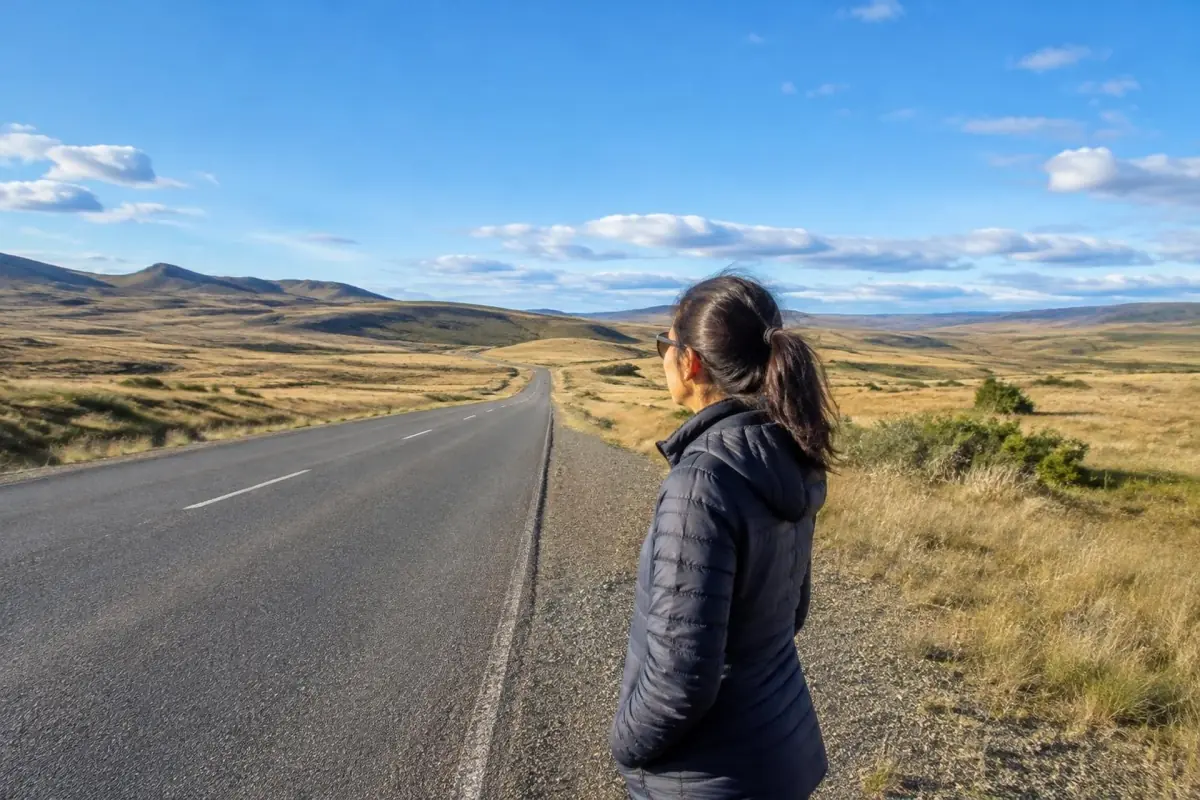
Departure terminal and the featured bus
The featured bus product starts at El Calafate Bus Terminal. Its meeting instructions give C. 510 87 and ask passengers to arrive at least 30 minutes before departure with a passport and electronic ticket. Use those instructions for that reservation and organise your journey to the terminal separately. Keep the travel document and ticket accessible instead of packing them away in luggage.
The product includes an air-conditioned vehicle and a semi-bed reclining seat, with border procedures completed during the journey. Its listed duration is six hours. Arrange any hotel-to-terminal transport separately. When comparing tickets, focus on the travel date, departure location, seat type and the conditions attached to the specific reservation rather than assuming that every international bus has the same arrangements.
Travel to Puerto Natales
The bus has a reclining semi-bed seat and air conditioning.
Hand-picked tours, booked through Viator. Prices are indicative starting prices in US dollars (as of October 2026). Tap a tour for live availability and the current price in your currency.
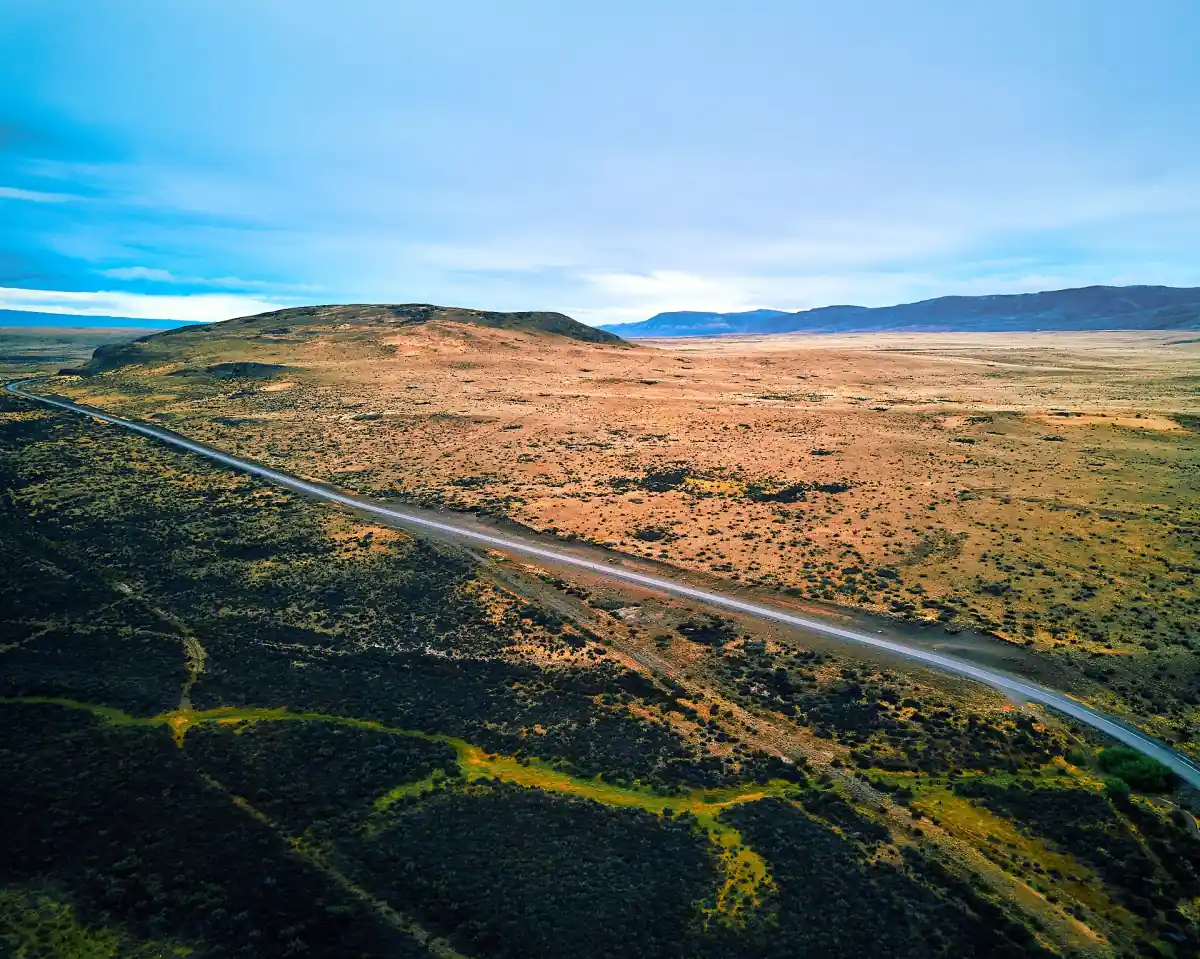
A bus seat for the international journey
The terminal-to-terminal bus product includes air conditioning and a semi-bed reclining seat, with border formalities during the trip.
Timetable, fare and arrival planning
Check the current total fare and any terminal charge when buying the ticket. Ask how an additional charge is paid and keep that information with the reservation. A quoted seat fare and the complete cost of leaving the terminal may need separate attention. Using the terms supplied for your chosen departure is more useful than budgeting from a price shown in an older timetable.
The route operator identifies the Puerto Natales terminal at Av. España 1455. Use the arrival point stated on your own ticket when arranging the next leg. For destination planning after the crossing, continue with planning your stay in Puerto Natales. Keep the arrival day flexible enough to accommodate border processing rather than filling it with fixed commitments.
Travel documents and border procedures
Check the current immigration requirements for your nationality with the relevant migration authority or consulate. Chile accepts a valid passport or an identity document recognised for the traveller’s nationality. Do not substitute a domestic identity card without establishing that it is accepted for your case. Requirements for minors, visas and insurance need attention according to the people travelling and the direction of the journey.
The border authorities assess admission separately from the purchase of a bus ticket. For a return to Argentina, review the applicable Argentine requirements as another part of the plan. Keep supporting documents accessible during the journey and follow the instructions at the control point. The crossing used and its operating status should be checked for the selected service rather than inferred from an older route description.
SAG declaration for food and natural products
Chile’s SAG entry declaration is a free procedure. Animal and plant products, including parts, derivatives and relevant craft items, must be declared. Quantity, packaging and purchase date do not remove the need for control. This matters when packing snacks for the road: look at what you carry and declare relevant items, including packaged food where its ingredients fall under the rules.
SAG decides after inspection whether an item may enter or must be destroyed. Declaring a product is part of the control process; it does not decide its admission. Undeclared risk products can lead to fines. Use the digital or paper procedure available at the control point and follow the officers’ instructions. If driving instead, the car rental guide covers the need to arrange vehicle permission separately. Patagonian wind and fast weather changes also justify checking road and crossing conditions before departure.
Questions for your journey
How long is the bus journey?
Allow approximately six hours for the bus route. Border procedures affect the journey, so leave flexibility when planning an onward connection.
When should I arrive for the featured service?
Its meeting instructions request arrival at El Calafate Bus Terminal at least 30 minutes before departure with a passport and electronic ticket.
Do packaged snacks need attention at the Chilean border?
Declare animal and plant products covered by SAG rules, including relevant packaged food. Packaging alone does not make an item exempt from control.